
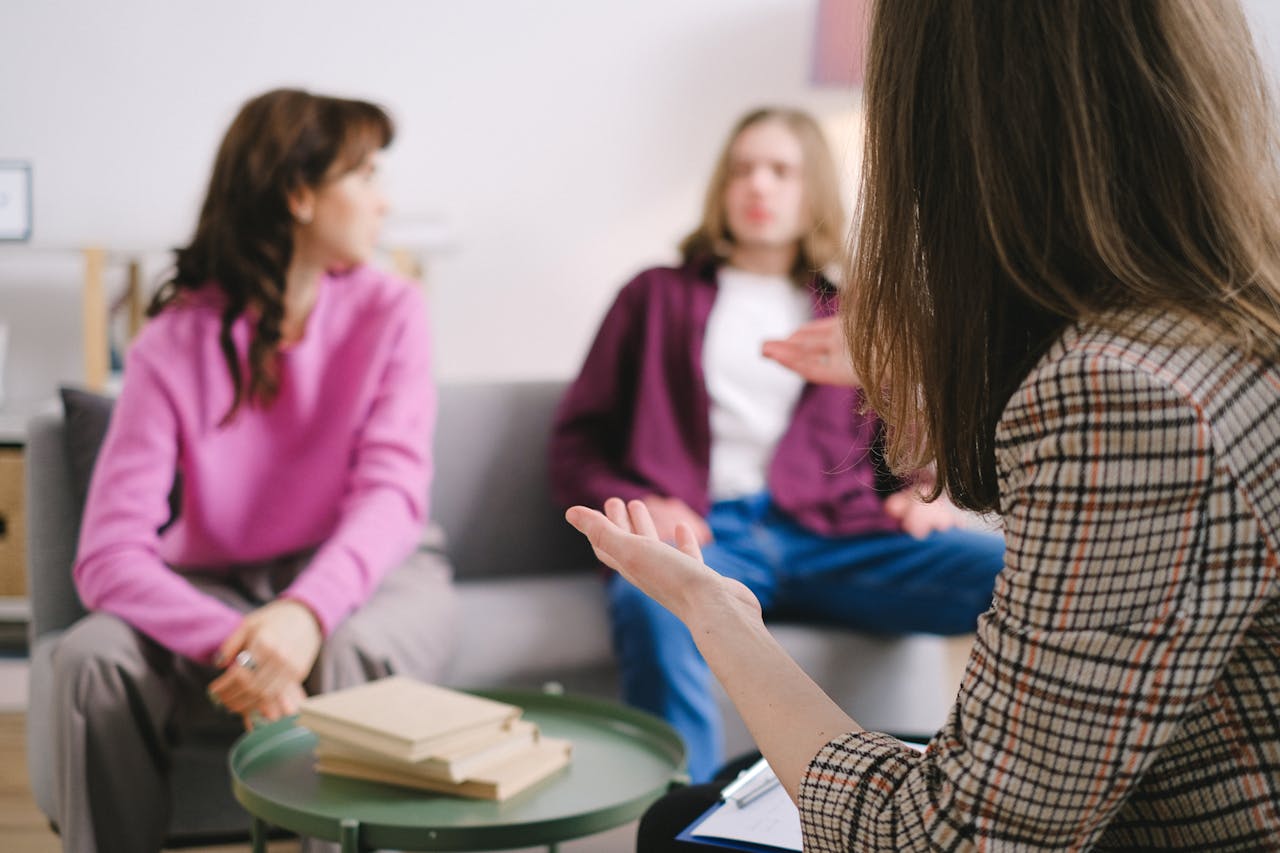
Divorce is more than just an ending to a marriage. It’s a chapter closing on an entire family system, routines, shared goals, and everyone involved. If you are going through a divorce or have recently separated from your partner, you may be noticing the ripple effect beyond your living arrangements and filing legal paperwork. The emotional landscape shifts for everyone who’s been a part of your partnership. Understanding these changes can help you navigate this transition with more awareness and compassion for yourself and your loved ones.
The Immediate Emotional Fallout
The period after the divorce can be filled with a wide spectrum of feelings. You may experience:
- Relief mixed with a twinge of guilt for feeling relieved
- Grief over the loss of your family structure
- Anxiety about financial stability and your future goals
- Anger that surfaces at unexpected moments
- Uncertainty about who you are outside of your marriage and what your dreams are
- Sadness for your children who are splitting time and being pulled from their routines
The rollercoaster of emotions can be overwhelming and confusing. You’re navigating a massive life change that affects your sense of stability and belonging. Some days will be exciting for the new opportunities ahead, while others will leave you feeling lost in sadness.
The Effect on Your Daily Routine
Before the divorce, you likely had routine schedules and a working rhythm to your weeks. Now, you’re left to pick up the pieces of fractured patterns and rebuild new routines.
Maybe you’re suddenly parenting solo during your custody time or managing a household that you used to share responsibilities for. You have to adjust to quieter evenings when the kids are gone and logistical changes in between. Each change carries its own emotional weight.
You may find yourself forgetting appointments, feeling decision fatigue, or struggling with daily tasks that used to be automatic. Both your mind and body are adjusting to a fundamentally different reality while still processing emotional stress. Even simple decisions can emphasize how alone and on your own you truly are right now.
Relationship Shifts
Divorce changes your relationship with your partner and dynamics with your children, but it also extends further beyond that. Friendships may fade, especially with couples who knew you as a unit or friends from your ex-partner’s life before the marriage. Family members may take sides or offer unsolicited advice. Your relationship with yourself also needs to change as you re-establish your identity as an individual.
Relationship changes aren’t always negative. You may find that some of your bonds become stronger during this time. Certain people will show up consistently and in ways you weren’t expecting. New connections will be formed with people who have shared experiences. These changes create space for new opportunities.
Moving Through, Not Moving On
Healing after a loss isn’t a linear process. Your goal shouldn't be getting over your ex-partner or your previous marriage. Rather, you want to focus on returning to a sense of normalcy. You’re building a new life shaped by past experiences but tells a new story.
Allow yourself to feel any emotions that arise, whether it's feeling strong or feeling knocked down. No judgments. There’s no right or wrong way to be on this journey. Transitions take time, and there will be plenty of kinks that need to be worked out. Take the time you need to heal rather than rush the process.
Finding Your Way Forward
No matter what your circumstances are, you’re never alone in navigating your path forward. Connecting with others who understand the challenges that follow divorce can provide validation, strategies for coping, and hope for what’s possible on the other side of grief.
If you’re looking for support during this challenging time, I facilitate a divorce support group where you can connect with others going through similar experiences. Together, we can work on building resilience for your new chapter. Reach out today to learn more.
